













Health4 min(s) read
Published 10:08 15 Jan 2026 GMT
Groundbreaking new research says men’s biological clock can affect fertility just as much as women's

A new study has discovered human egg cells appear to be protected from a type of genetic damage that usually increases as we age, which could turn what we know about fertility on its head.
Scientists at Penn State University discovered that mutations in mitochondrial DNA (the cell’s powerhouses) do not increase in human egg cells as women get older, at least between the ages of 20 and 42.
This goes against what researchers expected and could help explain how eggs can remain viable for decades.
What does this mean?
Every cell in your body contains tiny structures called mitochondria. These are often described as the cell’s “power plants” because they produce the energy cells need to function.
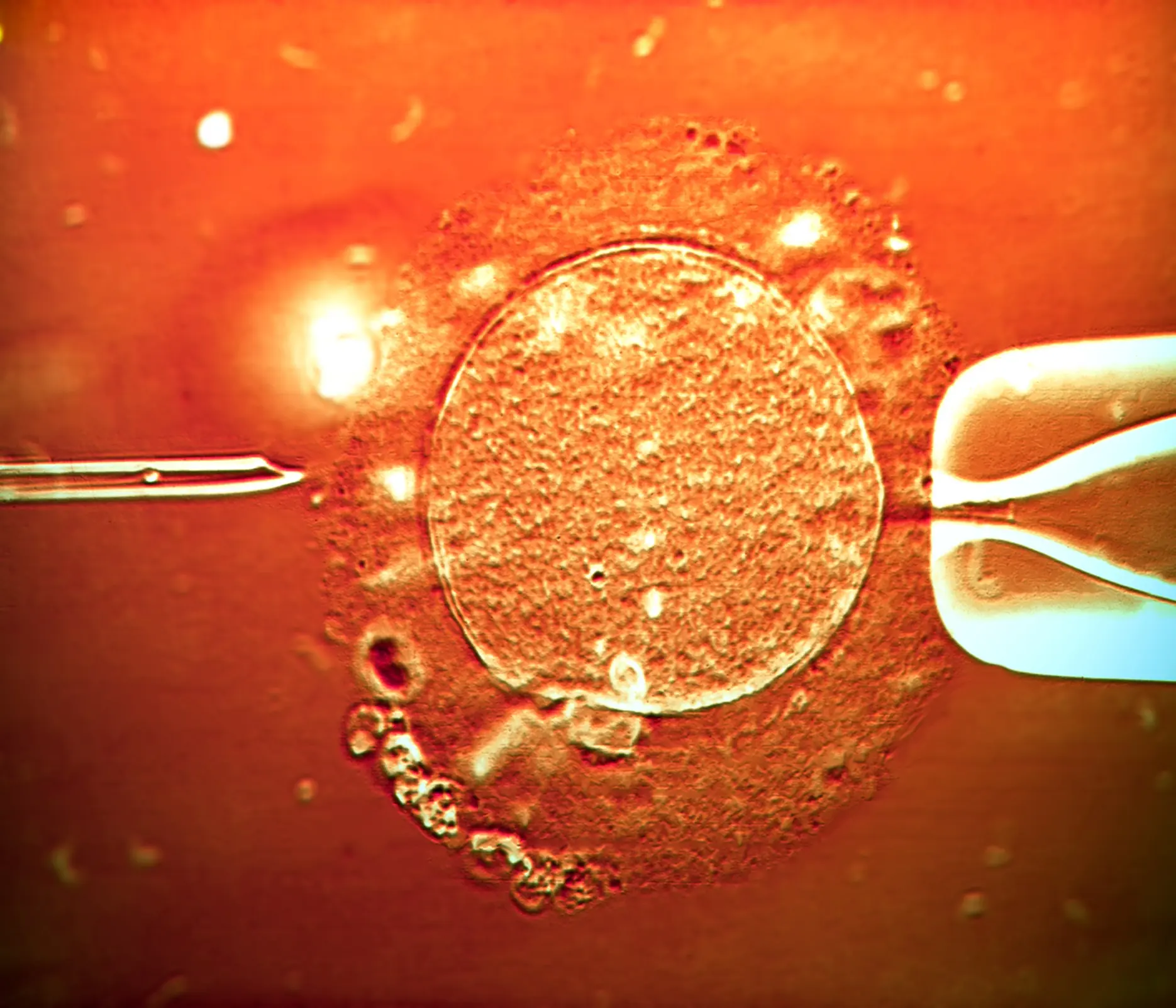
Unlike most DNA, mitochondrial DNA (mtDNA) is inherited only from the mother. That means the mitochondria in a baby’s cells come entirely from the egg, not the sperm.As we age, DNA throughout the body tends to pick up mutations, which are small changes in the genetic code.
Many mutations are harmless, but some can interfere with how cells work. When mitochondrial DNA is affected, it can cause serious diseases, especially in organs that need lots of energy, such as the brain, nerves and muscles.
Because older mothers are known to pass on more chromosomal mutations (problems in the DNA found in the cell’s nucleus), scientists assumed mitochondrial DNA would show the same pattern. This new study suggests that assumption may be wrong.
What did the researchers do?
Researchers analysed 80 human egg cells collected from women aged between 22 and 42 who were undergoing IVF (in vitro fertilisation). They also examined the women’s blood and saliva cells for comparison.
Using advanced DNA sequencing, the team looked for new mutations in mitochondrial DNA. What they found was that the mitochondrial DNA in egg cells had 17 to 24 times fewer mutations than mitochondrial DNA in blood or saliva.
The number of mitochondrial mutations in blood and saliva increased with age, as expected. In egg cells, however, the number of mitochondrial mutations did not increase at all as women got older.
The few mutations that did appear in eggs were less likely to be linked to disease. In other words, while most parts of the body accumulate mitochondrial DNA damage over time, egg cells seem to be an exception.
Why this matters
Mitochondrial diseases are serious and often life-threatening. There are currently no cures, only treatments to manage symptoms.
If mitochondrial DNA mutations increased sharply with maternal age, that could raise the risk of passing these conditions on to children.
This study suggests that getting pregnant later in life may not increase the risk of mitochondrial DNA-related diseases, even though the risk of chromosomal abnormalities does still rise with age.
That’s particularly relevant as people are, on average, having children later than previous generations, often due to careers, finances, education or not finding the right partner earlier in life.
How could egg cells be protected?
Scientists don’t yet know exactly how egg cells avoid this age-related damage but one theory is that egg cells may have a built-in process that removes or suppresses harmful mitochondrial mutations over time.
Another possibility is that eggs accumulate some mutations early in life and then stop, rather than continuing to build up damage with age.
Animal studies support this idea. In mice, mitochondrial mutations increase steadily with age in eggs. In monkeys, mutations rise early on but then plateau, while other tissues keep accumulating damage. Humans may follow a similar pattern.
What about sperm?
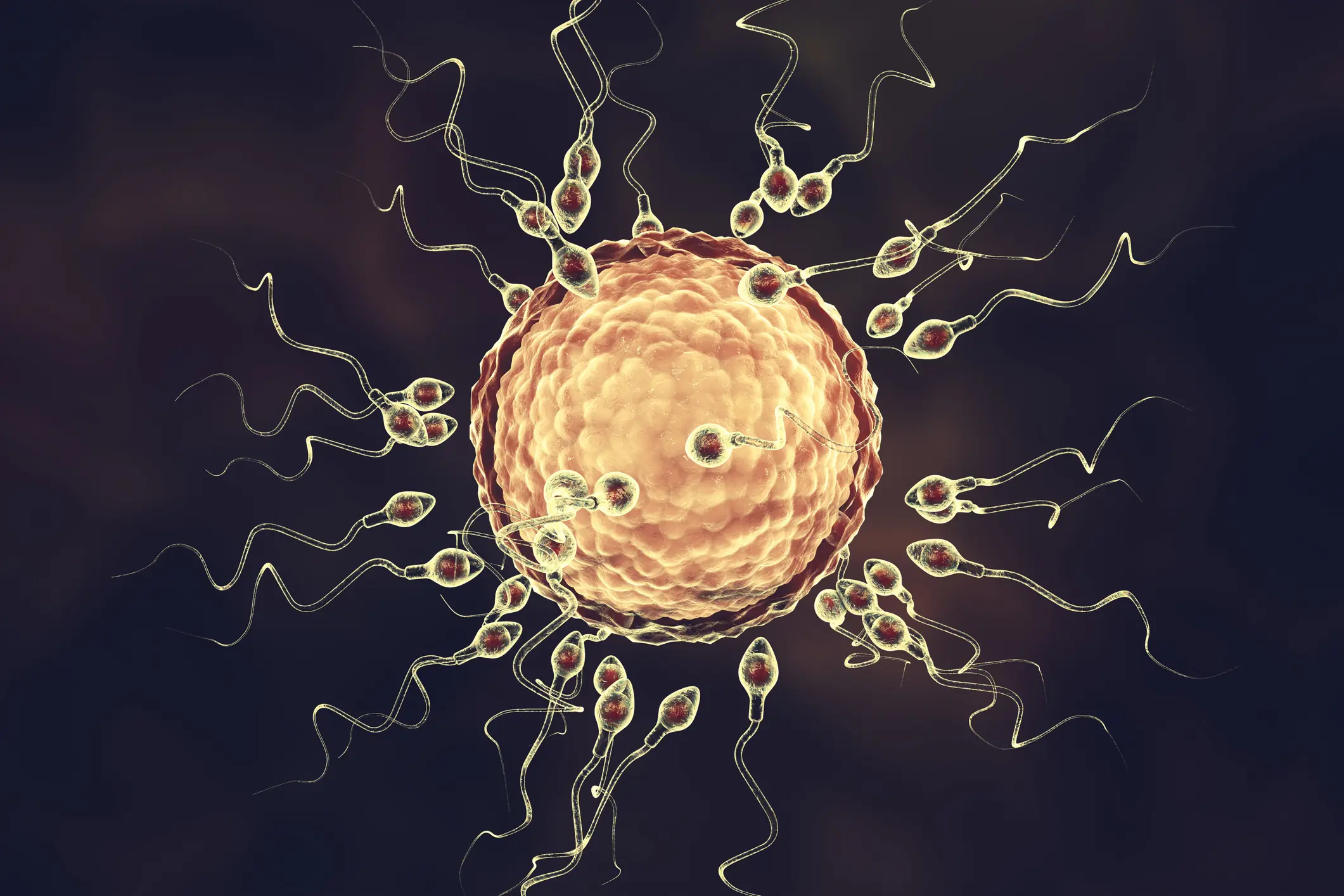
The research discovered that sperm is also prone to genetic changes over time. Unlike egg cells, which are formed before birth and remain in the body for decades, sperm cells are produced continuously throughout a man’s life.
Because they are constantly being made through repeated cell divisions, sperm tend to accumulate more DNA mutations as men age.
Research has shown that advanced paternal age is linked to a higher chance of certain genetic changes being passed on to children. These mutations usually affect the DNA in the cell’s nucleus (the main set of genetic instructions) rather than mitochondrial DNA.
This means that while older maternal age is more strongly associated with chromosomal abnormalities in eggs, older paternal age can increase the risk of miscarriage and neurodevelopmental disorders, including autism in children.