













US8 min(s) read
Published 14:02 16 Jan 2026 GMT
Nuclear expert reveals US cities that would be first targets if World War 3 breaks out

As global tensions rise and the specter of war looms, experts have warned that nuclear weapons could be used in a future conflict, especially with the involvement of powerful nations like Russia and China.
These countries, which have some of the largest arsenals of nuclear weapons on the planet, pose a significant threat to the US.
Following recent military actions, including the bombing of Iran’s nuclear sites, fears of an all-out world war have intensified.
In 2019, Russian state television even listed specific US cities that could be targeted in a nuclear strike, adding fuel to the fire of concern.
While well-known cities such as New York and Washington DC top the list of likely targets, there are several other lesser-known locations across the country that could find themselves in the crosshairs due to their importance to national security.
Here’s a closer look at some of the most likely US cities to be targeted, based on their strategic significance, per the Daily Mail.
1. Honolulu, Hawaii: A Vital Military Hub
At first glance, Honolulu may seem like a tranquil paradise, but it’s one of the most high-risk locations in the country.
Home to Pearl Harbor and Hickam Air Force Base, Honolulu plays a crucial role in US military operations in the Pacific.
The island's dense population of 350,429 in 2025, combined with its isolated location 2,500 miles from California, makes it almost impossible to evacuate in the event of a nuclear attack.
This combination of military importance and evacuation challenges makes Honolulu a prime target.
.jpg_Qj2iHG?tr=f-webp,q-75)
2. Shreveport, Louisiana: A Key Airbase Target
Shreveport, with a population of about 172,033 in 2025, might not appear to be a major target at first. However, it’s home to Barksdale Air Force Base, which hosts B-52 bombers capable of launching nuclear strikes globally.
The base’s proximity to the city - less than six miles - means that the risk to civilians in the event of a missile attack is extremely high. Shreveport’s strategic significance makes it a prime candidate for enemy forces seeking to disable US retaliation capabilities.
3. Ogden-Clearfield, Utah: A Military Powerhouse
Located along Utah’s Wasatch Front, the cities of Ogden and Clearfield house Hill Air Force Base, which supports the Air Force Nuclear Weapons Center.
With a combined population of over 121,717 in 2025, these cities are home to crucial military infrastructure.
The mountainous terrain surrounding the region would make evacuation incredibly difficult. Experts have predicted that a nuclear strike on this area could lead to 87,140 casualties, underscoring its vulnerability.
4. Cheyenne, Wyoming: A Nuclear Command Center
Cheyenne, home to the Francis E. Warren Air Force Base, plays a key role in US nuclear missile operations. Despite its small population of 66,000, the base’s importance makes it a target for any adversary seeking to neutralize America’s nuclear defenses.
The city’s isolation, surrounded by mountains with limited transportation routes, complicates any evacuation efforts. Cheyenne’s role in US missile defense ensures its place as a likely target.
.jpg_NCxtwX?tr=cr-0.0.725.482,f-webp,q-75)
5. Great Falls, Montana: Close to Key Nuclear Missile Silos
Great Falls might seem like an unlikely target, but its proximity to Malmstrom Air Force Base - responsible for controlling hundreds of nuclear missile silos - makes it a critical location.
With a population of just 60,422 in 2025, Great Falls has an outsized strategic importance. The region’s remote location, harsh winters, and limited infrastructure make evacuations slow and hazardous in the event of an attack.
6. Colorado Springs, Colorado: A Military and Aerospace Hub
Colorado Springs is home to several critical military and aerospace facilities, including the North American Aerospace Defense Command (NORAD), Peterson Space Force Base, and military satellite operations.
With a population approaching 492,528 in 2025, the city is a global military powerhouse. However, its mountainous geography presents significant evacuation challenges, and there’s a reported shortage of shelters for civilians in the event of a nuclear strike.
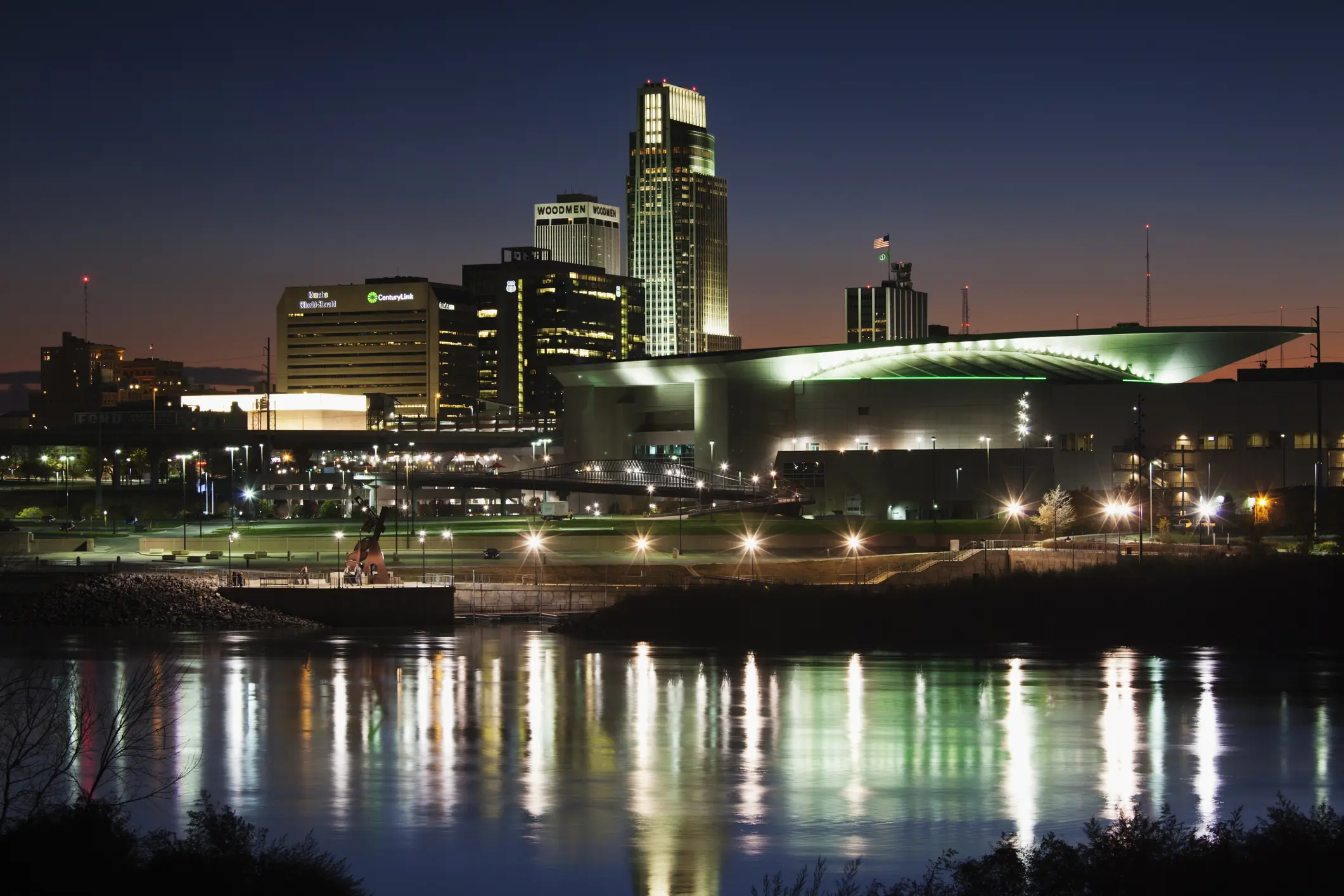
7. Omaha, Nebraska: The Heart of Nuclear Command
Omaha, Nebraska, serves as the nerve center for US nuclear command due to its proximity to Offutt Air Force Base.
With a population of approximately 486,051 in 2025, Omaha has long been a key player in America’s nuclear strategy.
The city’s flat plains and harsh winters could make evacuation efforts difficult, as roads become impassable and shelters are scarce in emergencies.
8. Albuquerque, New Mexico: A Nuclear Storage Hub
Albuquerque is home to Kirtland Air Force Base, which stores one of the largest stockpiles of nuclear weapons in the US.
With a population of 557,198 in 2025, the city plays a central role in the logistics and management of nuclear arsenals.
The city’s desert environment and sprawling infrastructure make evacuations slow and problematic in the event of a missile strike.
9. Houston, Texas: The Energy Capital at Risk
Houston, Texas, with a population of 2.3 million in 2025, is not only a major metropolitan area but also the center of the US energy industry.
The city is located near a nuclear power plant and serves as a hub for oil refineries, shipping ports, and a wide range of industries that are essential to America’s economy.
A strike here would have far-reaching consequences, both domestically and internationally. Evacuations would be chaotic, with congested roads and the added risk of natural disasters like hurricanes.
10. Seattle, Washington: A Strategic Naval Base
Seattle, with more than 767,060 residents in 2025, plays a critical role in both the tech and military sectors. The city is located near Naval Base Kitsap, which houses US submarines and nuclear weapons.
The local geography - surrounded by mountains and waterways - poses a challenge to evacuation efforts. In the event of a nuclear strike, Seattle’s infrastructure would likely be overwhelmed, making escape extremely difficult.
.jpg_wO7Xrt?tr=f-webp,q-75)
11. Los Angeles, California: The Economic Powerhouse
Los Angeles, with a population exceeding 3.7 million, is the second-largest metropolitan area in the US. As a center for ports, tech, media, and defense, it’s a critical target in any global conflict.
Evacuating LA would be a logistical nightmare, as freeways are often gridlocked even under normal conditions. In a full-scale emergency, the city’s transportation infrastructure would likely collapse, trapping millions of people in place.
12. San Francisco, California: A Tech and Port City
San Francisco, home to 842,000 people in 2025, is another vital tech and port hub that could be targeted due to its economic and strategic importance.
The city’s location between the Pacific Ocean and the Bay makes evacuation nearly impossible. Bridges would quickly clog, and there are limited land routes out of the city, making it highly vulnerable to a nuclear strike.
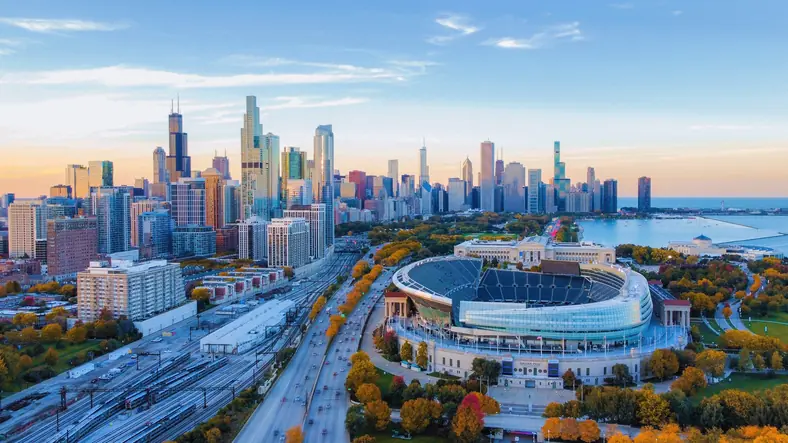
13. Chicago, Illinois: A Major National Hub
Chicago, with a population of nearly 2.7 million in the city and 9.6 million in the greater metro area, is the third-largest city in the US.
It plays a central role in transportation and industry, with four nuclear power plants in the region.
Despite its importance, the city is highly vulnerable due to its dense urban center and aging infrastructure, which could make evacuation efforts exceedingly difficult in the wake of a nuclear attack.
14. Washington, DC: The Heart of US Government
Washington, DC, with a population of 684,394 in 2025, is the political epicenter of the United States. It is home to the White House, the Pentagon, and Congress, making it a top target in any nuclear conflict.
The city’s strategic importance as the seat of US government ensures that it would be one of the first places targeted in the event of a global war.
15. New York City: The Iconic Economic Center
New York City, with 7.9 million residents in 2025, is the most populous city in the US and one of the most iconic locations in the world.
Home to Wall Street, the United Nations, and major media outlets, it would be a prime target for any adversary looking to send a symbolic message.
A nuclear strike on New York would not only cause devastating loss of life but also cripple the nation’s economy, making it one of the most likely and consequential targets.