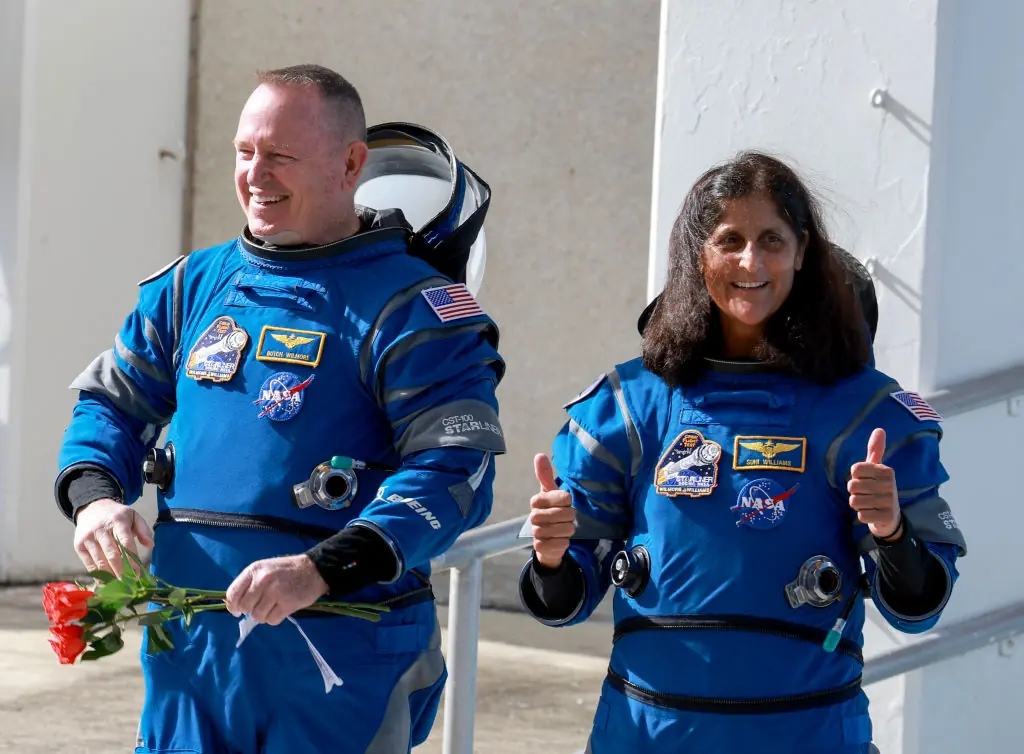
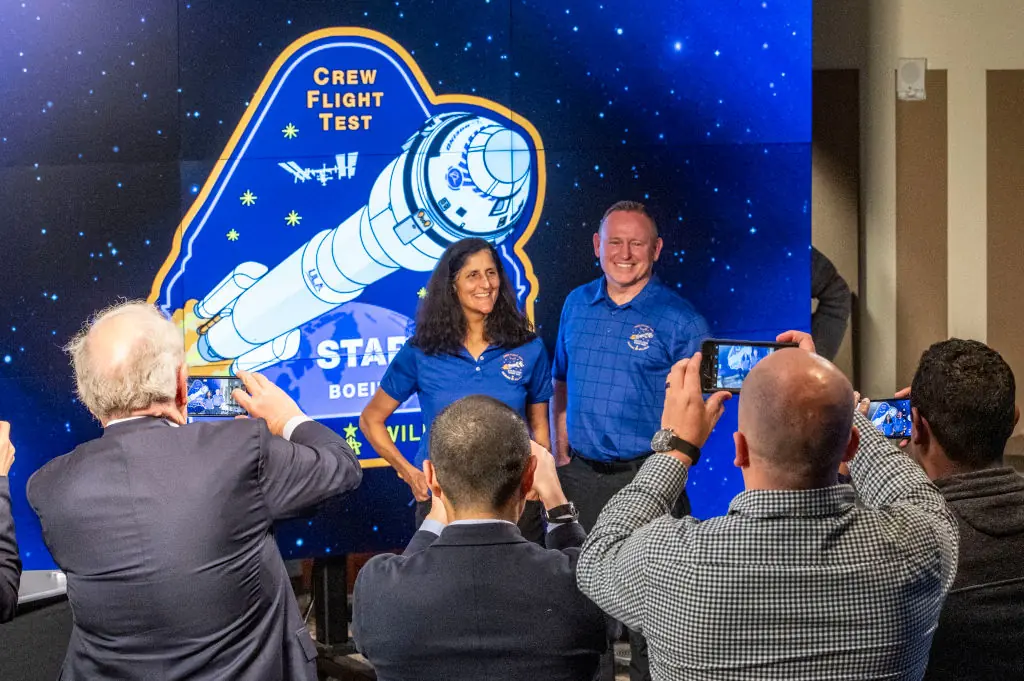
After an unexpected nine-month stay aboard the International Space Station (ISS), NASA astronauts Sunita Williams and Butch Wilmore are finally set to return to Earth.
Butch Wilmore and Suni Williams are due to return to Earth. Credit: Joe Raedle/Getty
But their homecoming might not be as smooth as expected — thanks to a peculiar side effect of long-term space travel known as "baby feet."
Why Do Astronauts Develop ‘Baby Feet’?
The condition, caused by the lack of gravity in space, leads to the softening of the soles of the feet, making walking painful and difficult upon reentry to Earth's gravity.
On Earth, constant pressure and friction from walking keeps the soles of our feet tough and calloused. But in the microgravity environment of space, astronauts float rather than walk, relying on their hands to move around.
“After six months to a year, you basically lose the thick, calloused skin on your feet,” retired NASA astronaut Leroy Chiao explained on NewsNation Prime.
He added: “You basically lose the thick part of the skin on your feet. You kind of have baby feet when you come back.”
This transformation makes walking painful and uncomfortable until the skin toughens up again — a process that can take anywhere from a few weeks to a couple of months.
More Than Just Foot Pain: Other Effects of Long-Term Space Travel
Aside from tender soles, returning astronauts face a host of physical and psychological challenges after spending extended periods in space.
According to Chiao, one of the most immediate effects is severe dizziness and balance disruption upon standing. “To me, it feels kind of like having the flu. It takes a couple of weeks to get back to normal,” he said.
Sunita Williams and Barry ‘Butch’ Wilmore have been in space since June last year. Credit: Houston Chronicle/Hearst Newspapers / Getty
Former NASA astronaut Terry Virts also described his own struggles upon returning from the ISS: “For me, I felt two things: I felt really heavy and really, really dizzy.” He added that it took time for his sense of balance to fully recover.
Other common issues include:
- Muscle deterioration due to the lack of resistance from gravity
- Decreased bone density, increasing the risk of fractures
- Fluid shifts, which can affect vision by putting pressure on the optic nerve
- Slight heart shrinkage, as the heart doesn’t have to work as hard to pump blood in space
- Psychological effects, including anxiety and depression, due to prolonged isolation in a confined space
NASA’s Plan to Help Wilmore and Williams Recover
NASA has a strict post-space rehabilitation program designed to help astronauts gradually reacclimate to Earth’s gravity. This includes:
- Gradual walking reintroduction, starting with soft surfaces
- Strength training and cardiovascular exercises to rebuild muscle and bone density
- Balance training to restore coordination
- Psychological support to help astronauts adjust mentally
When Are Wilmore and Williams Returning?
The NASA astronauts were initially scheduled to return tomorrow, but their departure was delayed due to a technical issue that postponed the launch of their replacements.
As of this writing, their return to Earth is scheduled to take place on March 19.
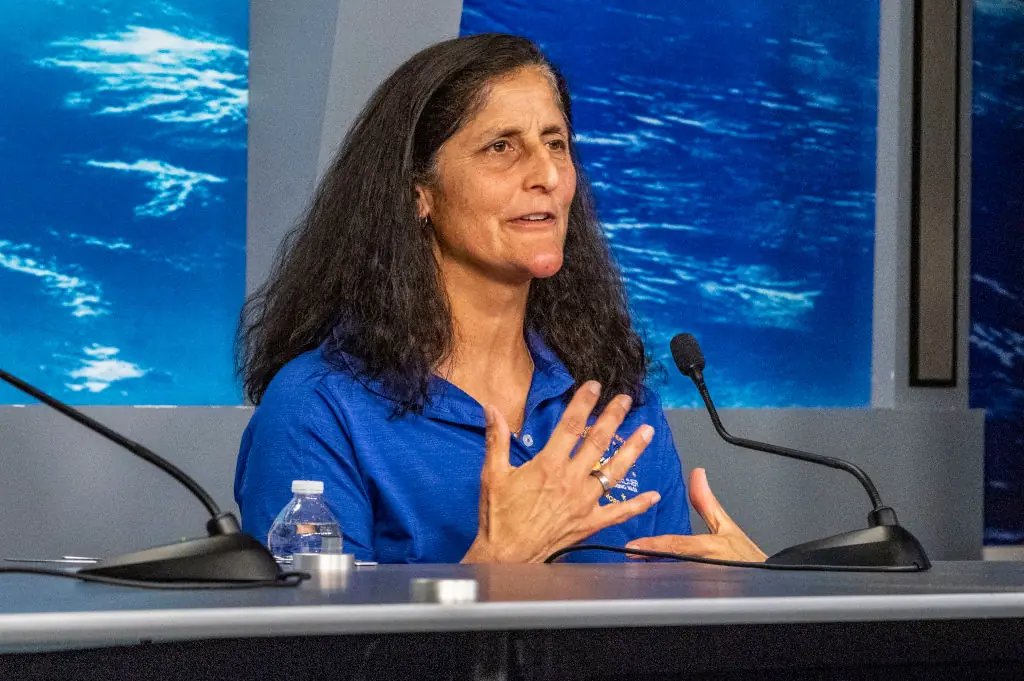
Sunita "Suni" Williams. Credit: Houston Chronicle/Hearst Newspapers / Getty
The Crew-10 mission, operated jointly by NASA and SpaceX, finally launched from Kennedy Space Center in Florida last night. The new crew will spend a few days acclimating before Wilmore and Williams hand over duties and prepare for their return journey.
When the astronauts finally depart, their trip back to Earth is scheduled to take approximately 17 hours, with a planned splashdown off the coast of Florida.
After nine months in space, Williams and Wilmore are no doubt eager to return home — but their first steps back on Earth may not be as easy as expected.
Featured image credit: Joe Raedle/Getty















.webp_vBqgAR?tr=cr-242.0.1293.1051,f-webp,q-75,w-1024)