Another day, another prediction of when humans will be wiped off of the face of the Earth.
In fairness, if you keep predicting, it will probably be correct one day.
I think we should all give ourselves a pat on the back for how many supposed apocalyptic events we've lived through.
2012 is probably the biggest one that comes to mind, but I also remember sitting in school one day absolutely convinced that the Large Hadron Collider was going to destroy the Earth.
And yet, as a species, we persist... for now.
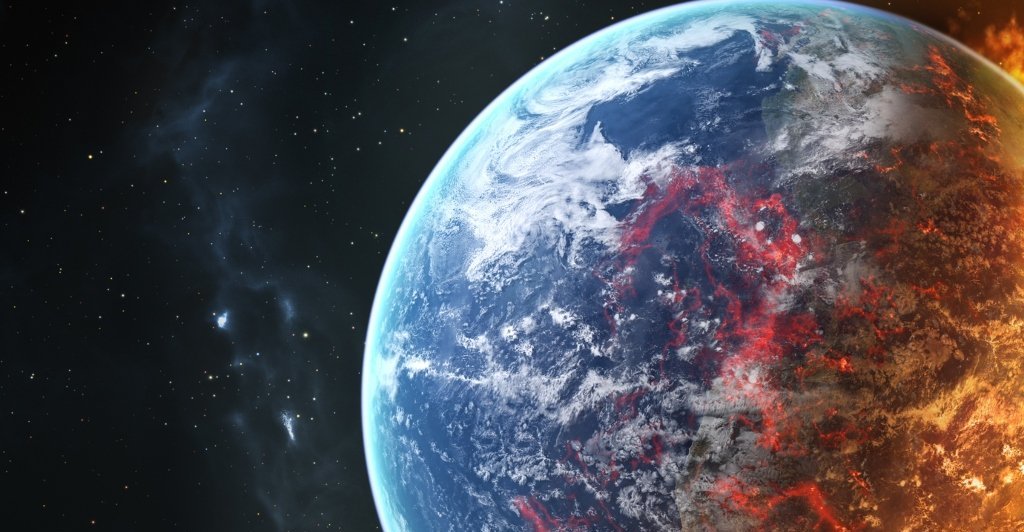
We've lived through many "world-ending" events. Credit: aryos/Getty
At the University of Bristol, researchers have recently unveiled a startling revelation about the eventual fate of life on our planet, per LBC.
Utilizing a supercomputer to analyze geological and atmospheric data, their findings point toward a dramatic conclusion: the formation of a colossal supercontinent that will reshape the Earth as we know it.
Dubbed Pangea Ultima, this future landmass is envisioned as the culmination of millennia of tectonic movement, where continents merge to form a singular entity.
Dr. Alexander Farnsworth, a member of the research team, explained the implications of this discovery, stating: "The newly-emerged supercontinent would effectively create a triple whammy, comprising the continentality effect, hotter sun, and more CO2 in the atmosphere, of increasing heat for much of the planet."
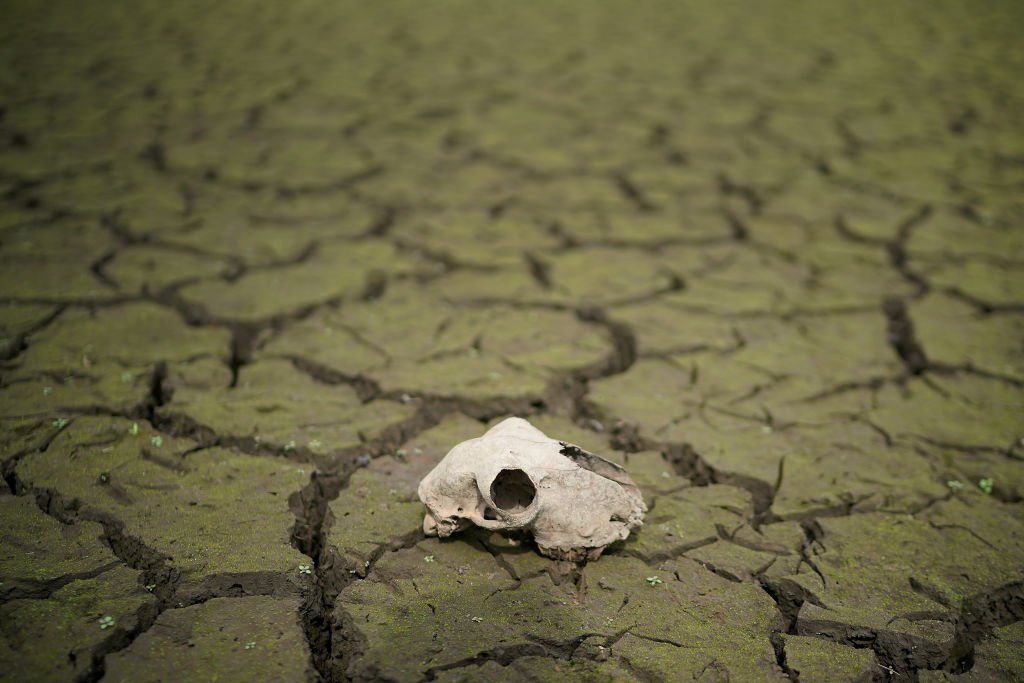
The Earth could have more supervolcanoes. Credit: Portra/Getty
In short, it's going to get very hot and we won't be able to survive it.
The convergence of tectonic plates could trigger a surge in volcanic activity, further complicating the environmental landscape.
The formation of new, massive volcanoes could certainly make things a lot worse than they already are.
Don't worry, all of this probably won't impact you unless you've found the fountain of youth.
The projected timeline for these events extends over the course of 250 million years. This vast timeframe offers humanity ample opportunity to prepare and adapt.
You'd hope that with Elon Musk wanting to colonize Mars right now, we'd have it sorted in 250 million years.
But for now, let's just do our bit to keep the planet as hospitable as we can!
Featured image credit: aryos/Getty















.webp_QQJmGo?tr=cr-345.0.1535.1190,f-webp,q-75,w-1024)